All-season tires can suit mild conditions and occasional light snow. All-weather tires with the three-peak mountain snowflake symbol offer a year-round option with a snow-traction qualification. Dedicated winter tires deserve priority when snow, ice and freezing conditions are routine. Choose for the roads you must drive, then compare specific models that fit your vehicle.
A temperature reading alone cannot settle the choice. An early shift on untreated hills poses a different problem from a flexible schedule on cleared city streets, even in the same town.
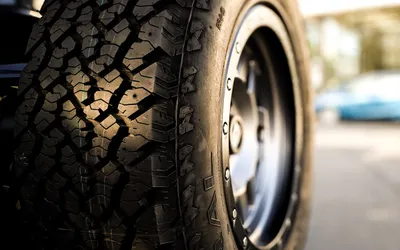
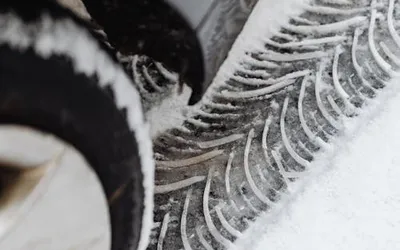
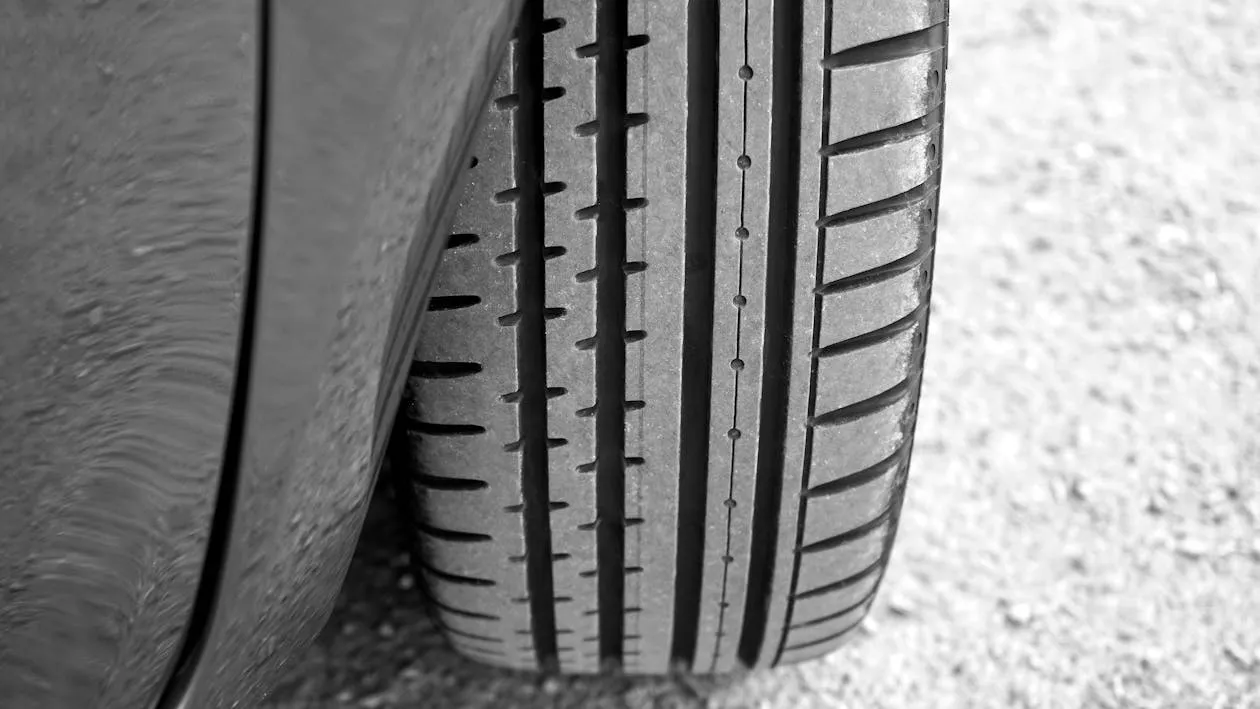
This is a research-based buying guide, not a Chariotz tire test. The tread photograph is illustrative; it does not identify a recommended winter tire.
Start with your winter route
Use this table to narrow your shopping list. It is a decision aid, not a promise of grip in every condition.
| Your driving pattern | Starting point |
|---|---|
| Mild winters, little snow, and the option to postpone a trip | Compare all-season models for the conditions you encounter most. |
| Mostly cleared roads with occasional snow; one set needed year-round | Evaluate all-weather models carrying 3PMSF, including their wet-road and winter test results. |
| Regular snow or ice, untreated hills, or essential travel during winter weather | Discuss a dedicated winter set with a tire professional. |
| A winter mountain trip from a warm home climate | Plan for the destination and route, including current road restrictions. |
Write down your hardest recurring trip before looking at prices. Include departure time, elevation changes, whether roads get treated, and whether you can delay travel. That description gives a tire shop more useful information than your ZIP code alone.
What the snowflake symbol tells you
The three-peak mountain snowflake, usually shortened to 3PMSF, indicates a tire meets a standardized snow-traction threshold. It appears on winter tires and some tires intended for year-round use. The symbol does not make every qualifying tire equivalent.
Tire Rack’s explanation of 3PMSF distinguishes the qualification from a complete winter test: it measures acceleration traction on packed snow, not snow braking, cornering or ice traction. M+S markings alone do not provide that same performance qualification.
When comparing two models, look for measurements of the conditions you face. A snow-acceleration result cannot answer an ice-braking question. Check the tested size, vehicle and conditions before treating a percentage or stopping-distance result as applicable to your car.
When dedicated winter tires make sense
Michelin’s winter-tire guidance recommends winter tires for regular snow, ice or freezing-weather use. It also recommends fitting all four wheels, including on AWD and 4WD vehicles. Buying only two winter tires can create an imbalance in available grip between the axles.
Avoid a universal rule such as “winter tires only below 20°F.” The route, surface and particular tire matter. Likewise, a blanket claim that every all-weather tire wears faster than every all-season model is too broad to guide a purchase. Compare the models and their warranty terms.
If your current setup is staggered, ask the installer which winter combinations the vehicle manufacturer permits. Our staggered-versus-square fitment guide explains the layout choices; it does not establish approval for an individual vehicle.
Price the whole setup
Request an itemized quote for each option using the same vehicle and intended use. For a single set, include installation, balancing, valves or TPMS service, and disposal charges. For a seasonal setup, ask separately about wheels, sensors, storage and future changeovers.
Two sets divide the mileage between them, but that is not a guarantee of twice the service life or a financial payback. Tires also age, and their condition and storage history matter. A low-mileage driver should account for calendar age instead of assuming every remaining tread mile will be used. NHTSA’s TireWise guidance covers aging and inspection alongside tread wear.
Use actual quotes to compare the ownership cost over the years you expect to keep the vehicle. If storage costs are unknown, leave that line unresolved until the shop provides a price. A cheaper wheel is useful only if the complete assembly is suitable for the car.
Confirm fitment before ordering
Start with the vehicle’s tire label and owner’s manual. NHTSA recommends the original size or another size recommended by the vehicle manufacturer. Have an installer confirm any alternative, including load capacity, speed-rating requirements and clearance.
Matching bolt patterns alone is not enough to choose a second set of wheels. Ask the fitter to confirm the complete wheel-and-tire package for your exact vehicle, including its brakes and any chain-clearance restrictions. Our wheel offset and fitment guide explains the measurements to bring into that conversation.
Check the tires already on the car
Before the seasonal changeover, inspect pressure and condition. Follow the vehicle label or manual for cold inflation pressure, and check the spare where fitted. NHTSA defines cold tires as those on a vehicle that has not been driven for at least three hours and recommends monthly pressure checks.
If a warning light appears or one tire repeatedly loses pressure, use our low tire pressure guide to distinguish an inflation check from a problem that needs attention. Include tire inspection in the wider fall car-care checklist.
Choose a category based on your route, compare specific models, and get the fitment confirmed before paying. For more tire and wheel topics, visit the wheels and tires hub.